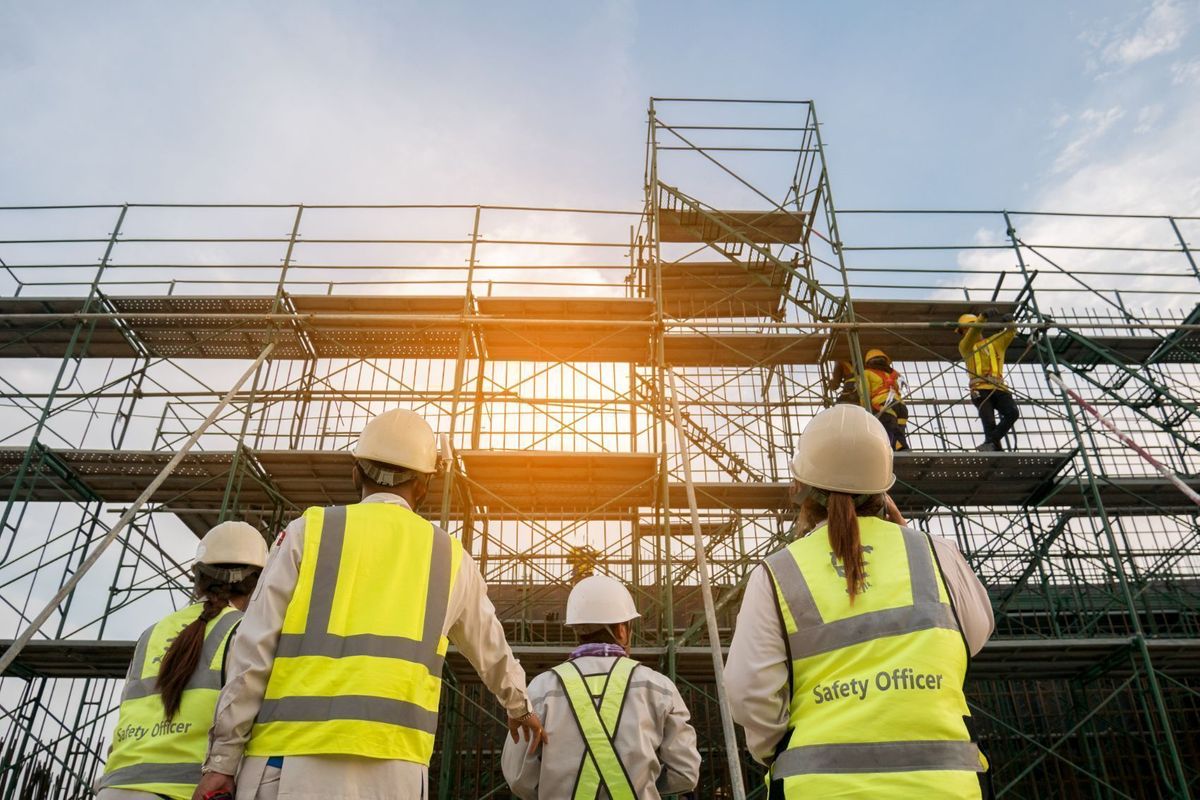
While scaffolding is a valuable tool in construction, it also poses certain dangers and risks. It is Scaffolding company crucial for workers and employers to be aware of these hazards and take appropriate safety measures. Here are some of the dangers associated with working on scaffolding:
Falls: Falls from scaffolding are one of the most significant risks. Insufficient fall protection, unstable scaffolding, improper use of personal protective equipment (PPE), or human error can result in severe injuries or fatalities. Workers must be trained to properly secure themselves and utilize appropriate safety harnesses, guardrails, and toe boards to prevent falls.
Structural Collapse: If scaffolding is not properly erected, maintained, or inspected, it can lead to structural failure or collapse. Weak foundations, improper assembly, overloading, or adverse weather conditions can compromise the stability of the scaffold. Regular inspections and adherence to manufacturer guidelines are essential to ensure the structural integrity of the scaffold.
Falling Objects: Tools, equipment, or construction materials dropped from scaffolding can pose a significant hazard to workers and bystanders below. Securely fastening objects, implementing safety nets, and using toe boards can help minimize the risk of falling objects. Proper communication and awareness among workers are crucial to prevent accidents.
Electrocution: Working near overhead power lines while on scaffolding increases the risk of electrocution. If the scaffold comes into contact with live electrical wires, workers can suffer severe electrical shocks or burns. It is vital to identify and maintain a safe distance from power lines and adhere to electrical safety protocols.
Insufficient Training: Inadequate training and lack of familiarity with scaffolding procedures and safety precautions can result in accidents. Workers should receive comprehensive training on scaffold assembly, use, inspection, and safe work practices. They should also be aware of emergency procedures and how to respond to potential hazards.
Adverse Weather Conditions: Extreme weather conditions such as high winds, heavy rain, or icy surfaces can make scaffolding unstable and increase the risk of accidents. Workers should be aware of weather forecasts and take appropriate precautions, such as securing the scaffolding or suspending work if conditions become unsafe.
Improper Use and Modifications: Altering or modifying scaffolding without proper authorization or using it for unintended purposes can jeopardize its stability and compromise worker safety. Scaffolding should only be used as intended, and any modifications or repairs should be performed by qualified personnel following industry standards.
 Site Title
Leave a comment